
Study Programs
Automotive Light Vehicle Body Engineering
TBKRO
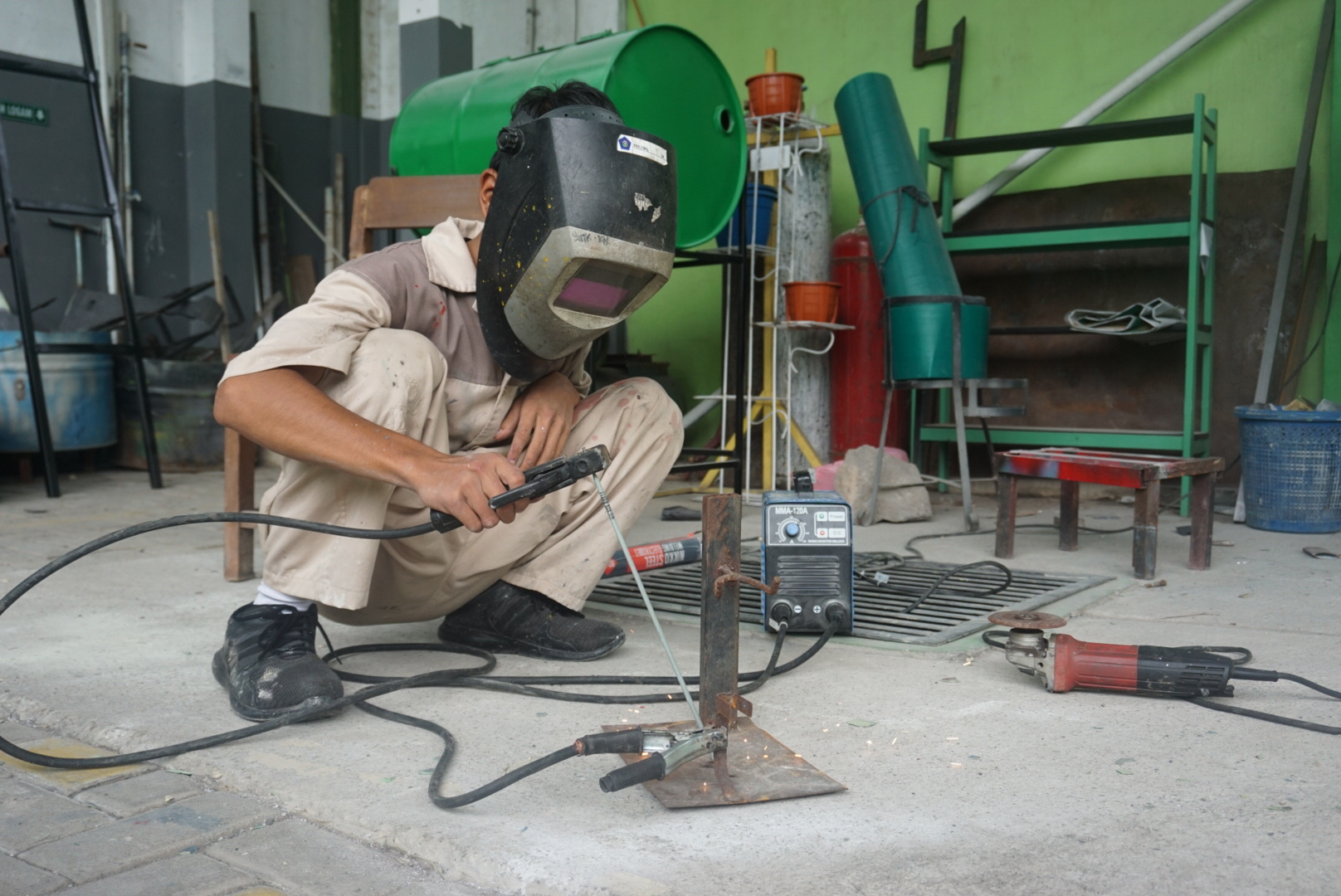
The following is a detailed description of the Automotive Body Engineering (TBO) major, also known in some schools as Automotive Body Repair Engineering (TPBO).
Getting to Know the Automotive Body Engineering (TBO) Major
Automotive Body Engineering (TBO) is a field of study that combines mechanical engineering skills with an artistic spirit. While mechanical engineering focuses on engine performance, enabling vehicles to drive, the TBO major focuses on the aesthetics, aerodynamics, and safety of the vehicle's exterior structure (body).
This major is crucial in the automotive world because every car that has been involved in an accident, suffered a dent, scratch, or simply needed to have its color modified requires the expertise of an automotive body expert. In this major, students are taught how to restore a damaged car body to its factory-fresh condition.
What Competencies Are Studied?
Students majoring in Automotive Body Engineering will spend significant time in the school's body repair workshop, mastering repair and finishing techniques. The following are the core materials studied:
Welding and Metal Cutting Techniques (Welding & Cutting)
Mastering various safe welding techniques for car body plates (such as carbide/oxy-acetylene welding, MIG/MAG welding, and spot welding).
Cutting, shaping, and joining vehicle body panels.
Panel and Chassis Repair (Panel Beating & Chassis Alignment)
Repairing minor damage such as dents without damaging the paint using Paintless Dent Repair (PDR) techniques.
Performing panel knocking, body repairs after major collisions, and even pulling the chassis for precision (chassis alignment).
Repairing and molding fiberglass or plastic components (such as bumpers).
Painting and Finishing (Painting & Refinishing)
Learning the stages of surface preparation: sanding, filling, and applying epoxy primer.
Mixing and matching paint colors (color mixing/matching).
Correct painting (spraying) techniques in a spray booth, including clear coat application for a glossy finish.
Exterior, Interior, and Glass Maintenance (Auto Detailing)
Polishing and applying protective paint coatings.
Car interior maintenance and cleaning.
Removal and installation techniques for car windows, lights, hydraulic/mechanical door systems, power windows, and other body accessories.
Getting to Know the Automotive Body Engineering (TBO) Major
Automotive Body Engineering (TBO) is a field of study that combines mechanical engineering skills with an artistic spirit. While mechanical engineering focuses on engine performance, enabling vehicles to drive, the TBO major focuses on the aesthetics, aerodynamics, and safety of the vehicle's exterior structure (body).
This major is crucial in the automotive world because every car that has been involved in an accident, suffered a dent, scratch, or simply needed to have its color modified requires the expertise of an automotive body expert. In this major, students are taught how to restore a damaged car body to its factory-fresh condition.
What Competencies Are Studied?
Students majoring in Automotive Body Engineering will spend significant time in the school's body repair workshop, mastering repair and finishing techniques. The following are the core materials studied:
Welding and Metal Cutting Techniques (Welding & Cutting)
Mastering various safe welding techniques for car body plates (such as carbide/oxy-acetylene welding, MIG/MAG welding, and spot welding).
Cutting, shaping, and joining vehicle body panels.
Panel and Chassis Repair (Panel Beating & Chassis Alignment)
Repairing minor damage such as dents without damaging the paint using Paintless Dent Repair (PDR) techniques.
Performing panel knocking, body repairs after major collisions, and even pulling the chassis for precision (chassis alignment).
Repairing and molding fiberglass or plastic components (such as bumpers).
Painting and Finishing (Painting & Refinishing)
Learning the stages of surface preparation: sanding, filling, and applying epoxy primer.
Mixing and matching paint colors (color mixing/matching).
Correct painting (spraying) techniques in a spray booth, including clear coat application for a glossy finish.
Exterior, Interior, and Glass Maintenance (Auto Detailing)
Polishing and applying protective paint coatings.
Car interior maintenance and cleaning.
Removal and installation techniques for car windows, lights, hydraulic/mechanical door systems, power windows, and other body accessories.